Let the Good Times Roll
There is a specific kind of warmth that comes from bringing rustic, handcrafted charm into your daily life. Whether you are stitching a tote bag for your morning coffee run or decorating kitchen towels for a weekend brunch, the Let the Good Times Roll Sunflower Embroidery Design offers a perfect blend of optimism and aesthetic appeal. It is not just about placing a flower on fabric; it is about capturing a feeling—sunshine, cheer, and a relaxed attitude—and making it tangible.
However, moving from a digital file to a finished embroidered piece requires more than just hitting the start button on your machine. Many creators, especially those new to machine embroidery, overlook the technical nuances that determine whether their project looks professional or amateurish. Understanding the design’s structure, the importance of format compatibility, and the correct application techniques can mean the difference between a cherished keepsake and a tangled mess of thread.
Understanding the Design’s Visual Impact
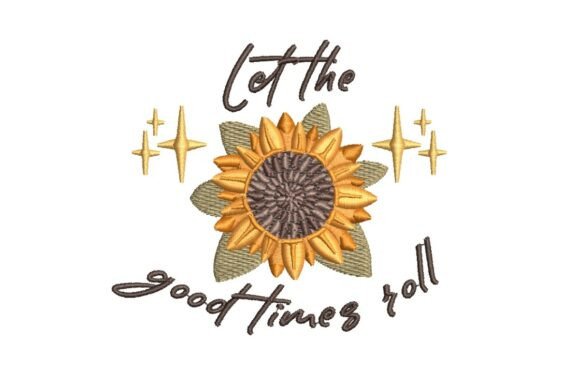
The Let the Good Times Roll design is built around a central sunflower motif that relies heavily on texture and dimensionality. The petals are rendered in rich golds and browns, creating depth that flat prints simply cannot achieve. This is complemented by rustic, olive-green leaves that ground the image, preventing it from looking too bright or artificial. Above and below the flower, the phrase "Let the good times roll" is stitched in a flowing brown script, tying the composition together with an inspirational message.
Surrounding this centerpiece are sparkling golden starbursts. While these add a festive touch, they also introduce complexity to the stitching process. For beginners, the combination of dense floral textures, script lettering, and scattered decorative elements can be intimidating. It is crucial to recognize that this design is intended for machines capable of handling multi-color changes and varying stitch densities. If your equipment lacks precision in tension control or hooping stability, the intricate details of the sunflower may lose their definition.
Common Pitfalls in File Selection and Compatibility
One of the most frequent mistakes made when acquiring embroidery designs is ignoring file format compatibility. The description notes that this design comes in multiple formats, which is excellent news, but it also places the responsibility on the user to ensure their software and hardware align with the files provided. Not all embroidery machines read the same file types natively. A common error is assuming that a universal format will work across all brands without conversion.
If you attempt to load a proprietary format onto a machine that does not support it directly, you risk wasting time on unnecessary conversions or, worse, encountering corrupted data that ruins the stitching sequence. Always verify the specific formats included in your download package against your machine’s manual. If you are using third-party software to manage your library, ensure that the software version is up to date to handle the latest embroidery standards.
Technical Execution: Avoiding Tension and Hoop Issues
Even with the correct file, the physical act of embroidery introduces variables that can degrade quality. The sunflower design features textured petals and script text. Script text, in particular, is sensitive to tension. If the upper thread tension is too tight, the letters may pucker or distort, making the inspirational phrase difficult to read. Conversely, if the tension is too loose, you will see loops of thread on the underside of the fabric, which looks unprofessional and can snag easily.
To avoid this, always perform a test stitch on a scrap piece of the same fabric you intend to use. This simple step allows you to adjust tension settings before committing to your final project. Additionally, consider the fabric choice. Lightweight materials like thin cotton tees may require stabilizers to prevent the heavy stitching of the sunflower and starbursts from pulling the fabric out of shape. Heavy-duty items like canvas totes or denim jackets generally hold up better but still benefit from proper backing to maintain crisp edges.
- Check Your Stabilizer: Use tear-away stabilizer for woven fabrics like cotton and cut-away for knits or stretchy materials. Incorrect stabilizer choice is a leading cause of puckering.
- Trim Excess Thread: After stitching, carefully trim jump threads, especially around the starburst elements, to enhance the clean look of the design.
- Monitor Thread Quality: Cheap polyester thread can break under the stress of dense stitching areas. Investing in high-quality embroidery thread ensures smoother feeding through the needle and better color vibrancy.
Application Ideas Beyond Basic Apparel
While casual apparel is a popular choice, limiting this design to t-shirts ignores its versatility. The warm, earthy tones of the sunflower and the uplifting message make it ideal for home decor and lifestyle accessories. Consider applying it to kitchen towels for a cozy farmhouse feel, or on garden flags to greet visitors with seasonal cheer. The design’s rustic aesthetic pairs exceptionally well with natural fibers like linen or burlap, enhancing the organic vibe of the sunflower imagery.
For small business owners, this design is particularly valuable because it appeals to a broad demographic. It is gender-neutral and age-inclusive, making it suitable for gifts across various occasions, from summer birthdays to housewarmings. However, entrepreneurs must be mindful of licensing agreements. Ensure that the purchase includes commercial rights if you plan to sell items featuring this design. Many designers offer separate licenses for personal use versus commercial production, and overlooking this detail can lead to legal complications.
Evaluating Quality Before You Stitch
Before diving into a large production run, take a moment to evaluate the digitization quality of the file. Look for smooth transitions in the script font and consistent fill density in the sunflower petals. Poorly digitized designs often exhibit visible grid patterns, excessive trimming, or awkward needle penetrations that damage delicate fabrics. Since this design includes multiple formats, try loading one version into your machine’s preview function to check how the colors and stitches are mapped.
Furthermore, pay attention to the order of operations in the design file. Some poorly organized files may stitch the background elements before the foreground, causing shifts in position if the hoop moves slightly. A well-structured file will prioritize stability, often starting with anchoring stitches or a border that holds the fabric securely. By reviewing the design structure beforehand, you can anticipate potential issues and prepare your workspace accordingly.
Maximizing Satisfaction with Proper Care
Once your Let the Good Times Roll project is complete, the longevity of the embroidery depends on care. Machine-embroidered items should generally be washed inside out on a gentle cycle to protect the threads from abrasion. Avoid using bleach or harsh detergents that might fade the rich golds and browns of the sunflower. Ironing should be done with caution; instead of pressing directly on the embroidery, iron the garment inside out or place a cloth over the design to prevent flattening the dimensional petals.
By approaching the Let the Good Times Roll Sunflower Embroidery Design with these practical considerations in mind, you ensure that your creative efforts result in high-quality, durable, and visually stunning pieces. Whether you are a hobbyist looking to brighten your home or a business owner expanding your product line, understanding the technical and aesthetic requirements of this design will help you spread sunshine and good cheer effectively. Remember, the goal is not just to stitch a pattern, but to craft an experience that resonates with the warmth and optimism the design promises.