Faith Retro: Elevating Machine Embroidery with Vintage Charm
There is a distinct power in combining spiritual inspiration with nostalgic aesthetics. When you encounter the Faith Retro design, you are not just looking at a word; you are looking at a statement piece that bridges the gap between heartfelt devotion and vintage style. This high-quality digital embroidery design features the word "Faith" rendered in a bold, flowing script font that commands attention. However, for creators, small business owners, and hobbyists alike, simply having access to the file is only half the battle. The true value lies in understanding how to execute this design effectively to avoid common pitfalls that can ruin the final product.
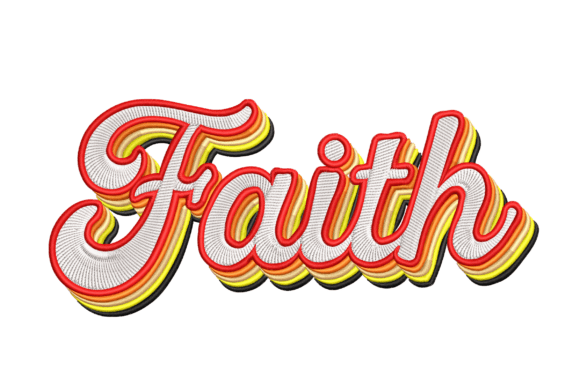
The aesthetic of Faith Retro is unmistakable. It carries a strong 70s vibe, characterized by its textured stitch look and bright red outline. But what truly sets this design apart is its striking multi-layer drop shadow, which utilizes warm colors like red, yellow, and black. This combination creates depth and dimension that flat text simply cannot achieve. Whether you are producing apparel, crafting custom hats, or creating inspirational home decor, this machine embroidery design is versatile enough to handle multiple formats across various embroidery machines. Yet, achieving that professional finish requires more than just hitting the start button.
Understanding the Visual Impact
The first thing any designer must appreciate about Faith Retro is its complexity. The "textured stitch look" mentioned in the design description is not merely decorative; it is a technical feature that adds tactile quality to the garment. Unlike standard satin stitches which can appear shiny and uniform, this texture mimics the feel of woven fabric or even denim, grounding the design in a rustic, authentic feel. The bright red outline serves as a visual anchor, ensuring the white or light-colored script pops against darker backgrounds, a crucial consideration when choosing fabrics for your projects.
The multi-layer drop shadow is perhaps the most critical element to respect. By layering red, yellow, and black, the design creates a warm, glowing effect that draws the eye inward. If you are new to embroidery, you might be tempted to simplify this to save thread or time. Resist that urge. Simplifying the shadow flattens the image, stripping away the retro character that makes the design desirable. The interplay of these specific warm colors is intentional; changing them can shift the mood from inviting and energetic to muddy or aggressive.
Common Mistakes in Execution
Even with a superior design file, errors in preparation and execution can lead to disappointing results. One of the most frequent mistakes beginners make is ignoring the stabilization requirements for this specific type of dense, textured stitching. Because Faith Retro relies on a heavy stitch density to create its signature look, using insufficient backing can cause the fabric to pucker or the stitches to pull unevenly. This is particularly problematic when working with delicate fabrics or thin cotton blends often used in t-shirts. Always opt for a cut-away stabilizer for stretchy materials to ensure the integrity of the design remains intact after washing.
Another oversight involves the choice of thread color. While the design specifies a bright red outline, some users attempt to substitute this with a darker maroon or orange to match their inventory. While customization is part of the creative process, deviating too far from the intended palette can disrupt the harmony of the multi-layer shadow. The yellow and black layers are calibrated to work specifically with that shade of red. A mismatched primary color can make the shadow look disjointed rather than cohesive. Stick to the recommended thread colors unless you have a clear vision for a different color theory application.
Furthermore, many embroiderers overlook the importance of hooping technique. The flowing script nature of the word "Faith" means there are long, sweeping curves that require precise tension. If the hoop is too tight, the fabric distorts, causing the letters to warp. If it is too loose, the needle may hit the hoop or the tension will be inconsistent, leading to thread breaks. Proper hooping ensures that the tension settings on your machine can do their job without fighting against fabric distortion.
Maximizing Versatility Across Projects
One of the greatest strengths of Faith Retro is its adaptability. It comes with multiple embroidery file formats, meaning it is compatible with a wide range of machines, from basic domestic models to advanced commercial units. This versatility allows entrepreneurs to scale their production. For instance, you might use the design on baseball caps for a local church group, then switch to tote bags for a community market stall. The key to success here is consistency. Ensure that your digitizing software is set up correctly for each fabric type. What works for a sturdy canvas bag may not work for a soft jersey knit hat.
Consider the end-use of your products. If you are creating items for children or individuals with sensitive skin, pay close attention to the placement of the design. The textured stitches can be slightly raised. Placing the design on the back of a shirt or the side of a hat, rather than directly over the spine or chest bone, can enhance comfort without sacrificing visibility. Additionally, when marketing these items, highlight the unique "retro" aspect. Consumers are drawn to designs that tell a story. The 70s influence combined with the message of faith creates a narrative of timeless hope wrapped in trendy aesthetics.
Final Checks Before You Stitch
Before committing to a full run of production, always perform a test stitch. Use scrap fabric that matches the weight and weave of your final product. Check the tension, the stability, and the overall alignment. Look closely at the transition points where the script meets the outline. Are the stitches clean? Is the shadow layered smoothly? This step saves material and time in the long run. It also allows you to adjust the speed of your machine if necessary; slower speeds often yield better results for complex, multi-layered designs like this one.
In conclusion, Faith Retro is more than just a digital file; it is a tool for expression. By respecting its intricate details, avoiding common technical errors, and applying thoughtful construction techniques, you can produce items that are not only visually stunning but also durable and meaningful. Whether you are a seasoned pro or just starting out, taking the time to understand the nuances of this design will result in higher customer satisfaction and a stronger portfolio. Embrace the retro vibe, honor the craftsmanship, and let the message of faith shine through every stitch.